
Zuckerberg isn’t building the future—he’s buying the people who already did.
In the AI race to the top, the talent war is heating up—and Meta is making bold moves.
Zuckerberg is going on a spending spree and has succeeded in securing some of OpenAI’s top minds, delivering what might be a massive blow to GPT’s momentum and potentially even its release schedule for GPT-5.
This isn’t just a hiring surge. It’s a surgical strike. While Sam Altman was busy courting investors and regulators, Meta was quietly dismantling his team, one genius at a time.
This is the Revenge of the Zuck. And it’s not just a comeback—it’s a hostile rewrite of the AI future.
Meta’s AI Recruiting Party: Private Dinners, WhatsApp Chats, and Power Moves
This wasn’t just poaching. It was precision-targeted poaching wrapped in party planning.
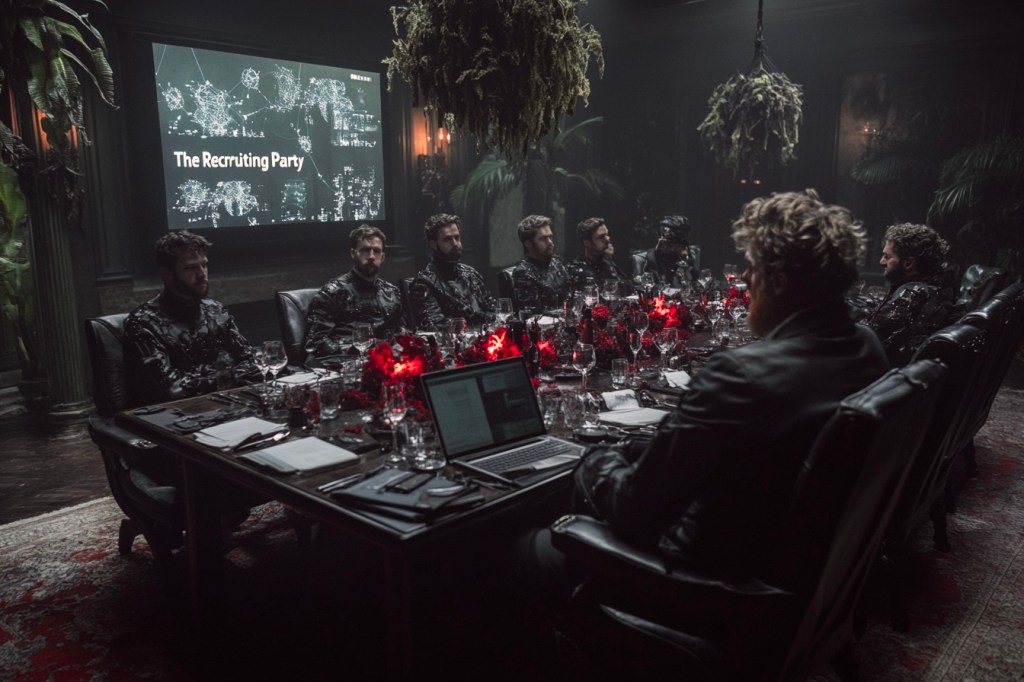
Mark Zuckerberg is personally WhatsApping researchers from his phone. Yes, the CEO of Meta is running a chat named “Recruiting Party 🎉,” where he and top Meta execs coordinate targets, organize recruitment dinners at his Palo Alto and Lake Tahoe homes, and plan desk placements like it’s a Bond villain lair.
Some AI researchers reportedly thought the outreach was a prank—delaying their responses because they assumed it couldn’t possibly be real.
“Once they confirmed it was really Zuck, the dinners started.”
Zuckerberg isn’t just offering massive salaries. He’s pulling talent into his orbit—literally. At Meta’s Menlo Park HQ, desks are being rearranged so new AI hires can sit within close proximity to him. This is less like a standard hiring spree and more like a war room.
Meanwhile, he compiled a “secret list” of global AI researchers after combing through papers and model documentation, constructing a map of who he needed to win. Then he started checking names off.
This isn’t just a comeback story. It’s a corporate thriller. Think: Neural Ocean’s Eleven.

How OpenAI’s Talent Exodus Is Impacting Team Culture and Innovation
Losing top talent doesn’t just create vacancies. It creates vacuum.
These researchers weren’t just coding models. They were taste-makers—the people who set technical direction, tone, and momentum. Their presence shaped how OpenAI felt internally. They were the ones who knew which knobs to turn, which risks to take, and how to build magic into math.
Now they’re gone.
It’s like when the best bartender at your favorite speakeasy quits. The drinks might still be good, but the vibe is off. Something’s missing.
The emotional fallout is real. Mark Chen, OpenAI’s Chief Scientist, wrote in a leaked internal Slack message:
“I feel a visceral feeling right now, as if someone has broken into our home and stolen something.”
He went on to say that he, Sam Altman, and other leaders were “working around the clock” to counter-offer talent, recalibrate compensation, and keep OpenAI from bleeding out further.
When your strongest players walk out mid-game, you don’t just lose points. You lose rhythm.
What Meta’s Poaching Means for GPT-5’s Release and Alignment Quality
Reports suggest GPT-5 is already in training. But what if the training is the easy part?
Fine-tuning, post-training alignment, and safety layers—the polish that made GPT-4 so useful and human—are slow, iterative, and dependent on deep, lived expertise. If many of the researchers responsible for those layers just left, what happens next?
GPT-5 might be the smartest model OpenAI has ever built. But who’s left to make it coherent, safe, and commercially viable?
Will it launch on schedule? Will it meet expectations? Or will we get something powerful but oddly soulless?
AI Talent War: Meta vs OpenAI and the Billion-Dollar Brain Race
In Silicon Valley, money talks. In AI, it screams.
There are maybe 500 people on Earth who can genuinely build frontier AI. This isn’t a job market. It’s a limited-edition brain auction.
Meta, flush with infrastructure and failing to lead the narrative with its own models, realized it didn’t need to beat OpenAI in innovation. It just needed to hire the people who already had innovated.
Zuckerberg isn’t building the future. He’s buying the people who already did.
From a macro lens, this is late-stage capitalism meets science fiction. If talent consolidation continues, we risk AGI progress becoming a monopoly not just of compute, but of cognition itself.
Why Consolidating AI Talent Poses a Risk to Open Innovation and Safety
There’s a more existential concern. If Meta, Google, or any single player consolidates the minds that drive frontier models, what happens to safety? To diversity of thought? To checks and balances in a space racing toward potentially world-altering capabilities?
Open-source AI is already under threat. And if Meta goes full black-box with its new Superintelligence Labs, the ripple effects could reshape the entire innovation ecosystem.
When the smartest people in the room are suddenly all in the same room, we lose more than competition. We lose perspective.
Conclusion: Who Still Has the Brains?
GPT-5 is coming. Meta is rising. And behind the models, the real war is happening in conference rooms, private chats, and backchannel recruitments.
AGI may not be born in a lab. It may be born in an exit interview.
In the end, the question isn’t just who has the best model. It’s who still has the team to build what’s next.
And right now? The future may belong to whoever writes the most irresistible offer letter.
Written by Mitch
Creative AI Strategist | Hospitality x Automation Specialist | Human-First Systems Builder
Still building. Still dreaming. Still in my oodie.





 Mitch steed