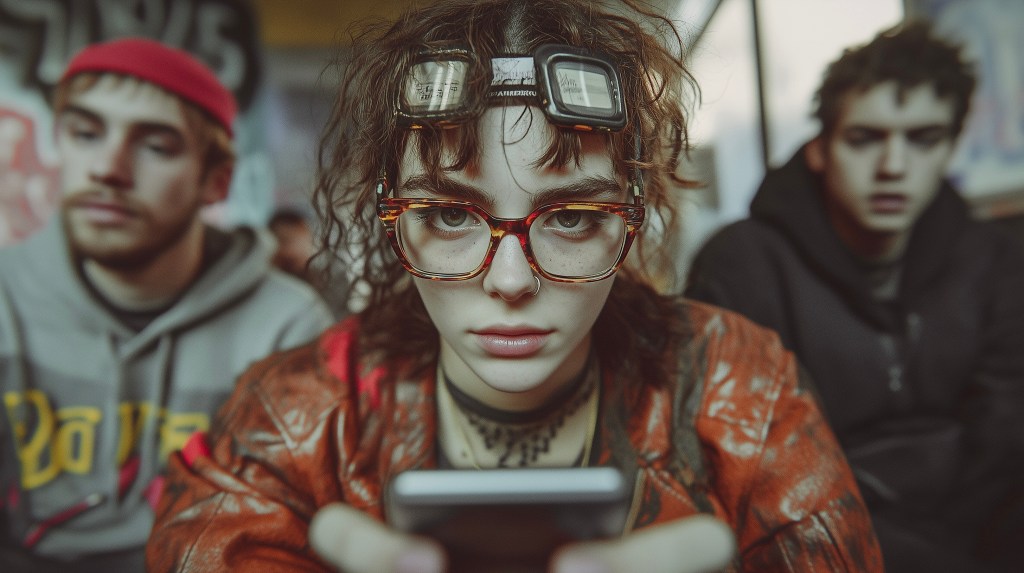
The recent Australian legislation banning social media for children under 16 has sparked a global debate. While the intention behind the law is clear—to protect young minds from the potential harm of these platforms—it raises questions about how to balance safety with fostering growth in a connected digital world.
My personal journey with bullying long predates social media, but the digital landscape has fundamentally transformed how young people experience social interactions and personal vulnerabilities
A Personal Reflection on Bullying and Mental Health
As someone who faced severe bullying as a child before the advent of social media, I understand the potential harm these platforms can bring. My name was carved into desks with derogatory words, my belongings were vandalized, and my privacy was invaded in ways that left lasting scars. If social media had existed back then, I believe the bullying would have followed me home, invading every corner of my life.
These early experiences have made me acutely aware of the vulnerabilities children face in social environments. Now, watching my niece and nephew navigate their formative years, I see the amplified pressures of the digital age. The statistics are striking: 95% of teens use platforms like YouTube, TikTok, Instagram, or Snapchat, with over a third admitting they spend too much time on these platforms and more than half struggling to give them up, indicating dependency issues.
Moreover, a significant portion of parents (69%) believe social media is a major stressor for today’s teenagers, citing concerns over cyberbullying and inappropriate content. This endless cycle of likes, shares, and online validation creates a minefield of self-doubt and comparison—challenges that my generation never had to navigate.
The Flip Side: Creativity and Connection
Despite my concerns, this ban also risks stifling opportunities for creativity and self-expression. Social media platforms like TikTok and Instagram have become modern canvases for young people, enabling them to explore skills like photography, video editing, and storytelling. Additionally, 74% of youths report trusting social media influencers more than traditional media, highlighting their role in shaping perspectives and fostering creativity.
Equally important is the sense of connection these platforms offer, particularly for children who may feel isolated. For LGBTQIA+ youth, or those struggling with social anxiety, online communities can provide a lifeline—a safe space to explore their identities and find support. Cutting off access to these networks risks leaving some young people feeling even more isolated. For example, a young LGBTQIA+ individual in a rural area might depend on online spaces to connect with peers who share their experiences. Without these connections, finding acceptance and support could become significantly harder. Giving marginalized youths access to supportive communities, such as ‘Minus 18,’ can be pivotal and, in many cases, life-saving. Are we opening up an opportunity for more isolation in a world that is ever-growing in online connectivity?
A Complex Issue Deserving Complex Conversations
This ban is not a simple solution to a complex problem. It addresses one part of the challenge—protecting mental health—but risks overlooking the developmental, creative, and social benefits that these platforms can offer. The implementation of this law, particularly the mechanisms for enforcing it, will determine whether it achieves its intended goals without unintended consequences.
A Call for Dialogue?
As adults, we must ask ourselves: how do we balance protecting our children while also preparing them for a world that is deeply intertwined with technology?
Instead of a total ban, a content moderation approach could offer a more balanced solution. Algorithms that block harmful content—similar to ‘safe view’ options on web browsers—might help create a safer digital space without eliminating opportunities for growth and connection.
Let’s start a conversation about what’s best for the next generation.
Mitch



 Mitch steed